
 EN
EN
 EN
EN ZH
ZH IT
IT ES
ES TH
TH TR
TR JA
JA PT
PT KO
KO RU
RU FR
FR DE
DE AR
AR
 Home > News Center > Industry news > Servo Precision Planetary Gearbox Solution for High-Accuracy Motion Control Systems
Servo Precision Planetary Gearbox Solution for High-Accuracy Motion Control Systems
In modern automation, motion precision is no longer an optional advantage—it is a baseline requirement. From robotics and semiconductor equipment to packaging machinery and CNC systems, engineers are under constant pressure to achieve higher torque density, tighter backlash control, and more stable dynamic response. This is where a servo precision planetary gearbox solution becomes a core part of the mechanical transmission architecture rather than a secondary component.
This article breaks down how such a solution is structured, what parameters actually matter in real applications, and how industrial users can select and integrate the right configuration for long-term stability.
1. Why Servo Systems Rely on Precision Gear Reduction
Servo motors are excellent at delivering fast response and accurate positioning, but they are not always efficient at delivering torque directly at the load. In real-world industrial scenarios, load inertia, sudden torque spikes, and repetitive start-stop cycles create stress that can reduce motor lifespan and control accuracy.
A properly engineered servo precision planetary gearbox solution bridges this gap by:
Increasing usable output torque without oversizing the motor
Reducing reflected inertia to improve servo response
Enhancing positioning accuracy through controlled backlash design
Stabilizing motion under variable load conditions
Planetary gear systems are especially suitable because of their coaxial structure, distributed load paths, and high torque density compared to spur or worm gear systems.
2. Core Structure of a Servo Precision Planetary Gearbox Solution
A typical precision planetary gearbox consists of four key elements:
Sun gear: Directly connected to the servo motor shaft
Planet gears: Multiple gears distributing load evenly
Ring gear: Internal gear housing the planetary set
Carrier: Output structure transmitting torque to the load
What differentiates a high-performance solution from a basic gearbox is not the structure itself, but the manufacturing tolerance, material treatment, and assembly control.
In industrial-grade designs, the following factors define performance:
Micro-level gear tooth accuracy (ISO/DIN grading)
Optimized backlash control (often ≤3 arcmin in precision series)
Heat-treated alloy steel for wear resistance
High rigidity carrier design to prevent torsional deformation
3. Key Performance Parameters That Actually Matter
When selecting a servo precision planetary gearbox solution, many specifications look impressive on paper but do not always translate into real performance. Engineers should focus on the following critical parameters:
3.1 Backlash
Backlash is the most important metric in servo positioning systems. Lower backlash directly improves repeatability and trajectory accuracy.
Standard precision: 8–15 arcmin
Medium precision: 3–8 arcmin
High precision: ≤3 arcmin
For robotics and CNC axes, low-backlash designs are essential.
3.2 Torsional Rigidity
Torsional rigidity determines how much the output shaft twists under load. Low rigidity leads to oscillation, especially in high-speed servo applications.
A well-designed servo precision planetary gearbox solution increases system stiffness, improving PID tuning stability in servo drives.
3.3 Efficiency
Typical planetary gearbox efficiency ranges from 94% to 98%. However, efficiency drops significantly if lubrication design or gear meshing quality is poor.
High-efficiency systems reduce:
Heat generation
Energy loss
Servo driver compensation load
3.4 Torque Density
Planetary systems offer one of the highest torque-to-volume ratios in mechanical transmission. This allows compact machine design without sacrificing output force.
3.5 Service Life
Industrial-grade gearboxes are typically designed for:
10,000 to 20,000 operating hours
Maintenance-free lubrication cycles
High-cycle start/stop operations
4. Engineering a Reliable Servo Precision Planetary Gearbox Solution
A complete solution is not just a gearbox—it is a system-level integration between motor, driver, and mechanical load.
A practical engineering workflow usually includes:
Step 1: Load Analysis
Continuous torque requirement
Peak torque requirement
Inertia ratio calculation
Duty cycle profiling
Step 2: Ratio Selection
Common reduction ratios include:
3:1, 5:1 for high-speed positioning
10:1, 20:1 for balanced torque-speed applications
50:1+ for heavy-load systems
Step 3: Backlash Matching
Higher precision applications require tighter backlash selection aligned with servo encoder resolution.
Step 4: Motor Compatibility
Flange size, shaft interface, and rated torque must align with servo motor specifications.
5. Application Scenarios Across Industries
A properly configured servo precision planetary gearbox solution is widely used across industries that demand accuracy and repeatability.
5.1 Industrial Robotics
Robot arms rely on compact gearboxes to maintain joint precision while handling dynamic loads.
5.2 CNC Machinery
Axis drives require stable backlash control for surface finishing accuracy and repeatable machining paths.
5.3 Packaging Equipment
High-speed packaging lines need fast acceleration with controlled deceleration profiles.
5.4 Semiconductor Manufacturing
Wafer handling systems demand extremely low vibration and micro-positioning accuracy.
5.5 Automated Production Lines
Conveying, sorting, and assembly systems rely on synchronized multi-axis motion.
6. Common Integration Challenges and Engineering Solutions
Even a high-quality gearbox can underperform if integration is not handled properly. Common issues include:
Problem 1: Resonance at Mid-Speed Range
Cause: Poor inertia matching between motor and load
Solution: Adjust reduction ratio or improve system stiffness
Problem 2: Excessive Backlash Perception
Cause: Mechanical mounting errors or shaft misalignment
Solution: Precision coupling and proper torque tightening
Problem 3: Thermal Expansion Noise
Cause: Continuous high-load operation
Solution: Improved lubrication and thermal management
Problem 4: Servo Hunting
Cause: Improper PID tuning due to gearbox compliance
Solution: Re-tuning with actual system inertia included
7. Maintenance Considerations for Long-Term Stability
A well-designed servo precision planetary gearbox solution is often maintenance-light, but not maintenance-free in extreme environments.
Recommended practices include:
Regular inspection of sealing integrity
Monitoring lubrication condition in high-cycle systems
Checking coupling alignment during scheduled downtime
Avoiding overload conditions beyond rated torque
In harsh environments such as dust-heavy or high-humidity production lines, protective sealing upgrades are strongly recommended.
8. Role of Liangzhi Joint in Precision Gearbox Engineering
Liangzhi Joint focuses on the development and supply of motion transmission components designed for industrial automation environments where stability and repeatability are critical.
In practical deployment scenarios, their servo precision planetary gearbox solution is typically positioned for applications requiring:
Stable low-backlash performance under continuous duty cycles
Compact integration with standard servo motor platforms
Consistent torque output under variable load conditions
Compatibility with multi-axis automated systems
Rather than treating gearboxes as isolated components, Liangzhi Joint emphasizes system-level matching between servo motors and gearbox assemblies, which reduces tuning complexity during installation and commissioning.
9. Selection Checklist for Engineers and Buyers
Before finalizing a gearbox selection, engineers should validate:
Required torque (continuous and peak)
Target positioning accuracy
Maximum allowable backlash
Mounting compatibility with servo motor
Environmental conditions (temperature, dust, moisture)
Expected duty cycle and lifecycle requirements
Skipping these checks often leads to oversizing, instability, or premature wear.
Conclusion
A servo precision planetary gearbox solution is not just a mechanical reducer—it is a precision interface between servo control systems and real-world mechanical loads. Its role in improving torque delivery, stabilizing motion control, and maintaining positioning accuracy makes it indispensable in modern automation.
When properly selected and integrated, it reduces system complexity rather than increasing it, allowing engineers to achieve higher performance without redesigning entire motion systems.
For industrial users seeking stable, application-oriented transmission solutions, working with manufacturers such as Liangzhi Joint ensures that gearbox selection is aligned with real engineering constraints rather than theoretical specifications.

Related news
-
 2026-07-30
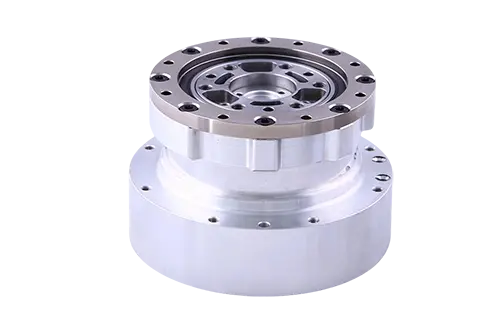
Joint Actuator Requirements for Wheeled-Legged Robots: What Defines a High-Performance Drive System?
-
 2026-08-07
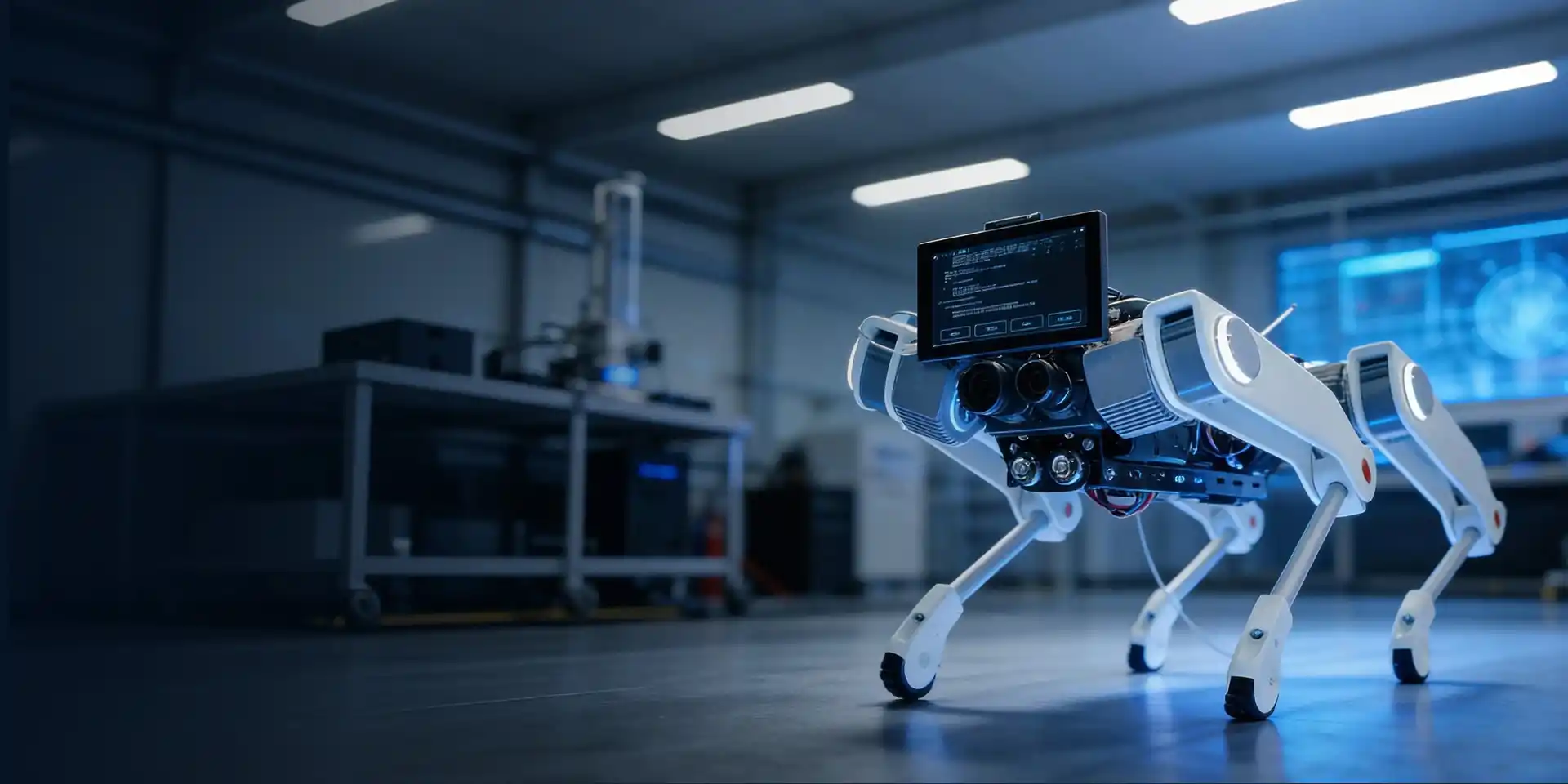
High Dynamic Servo Joint Modules for Legged Robots: Technology Evolution, Precision Transmission Comparison and Future Motion Solutions
-
 2026-09-21
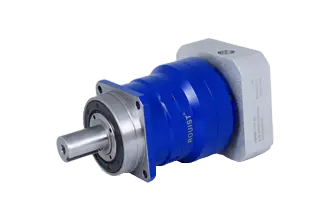
How to Select a Planetary Reducer for Robotic and Precision Motion Systems