 EN
EN
 EN
EN ZH
ZH IT
IT ES
ES TH
TH TR
TR JA
JA PT
PT KO
KO RU
RU FR
FR DE
DE AR
AR
 Home > News Center > Industry news > Collaborative Robot Joint Module: Driving Precision and Flexibility in Modern Automation
Collaborative Robot Joint Module: Driving Precision and Flexibility in Modern Automation
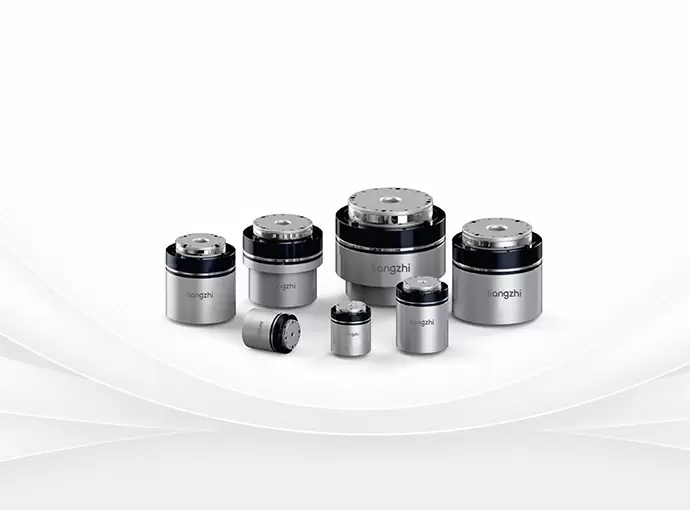
In today’s rapidly evolving industrial landscape, automation is no longer a luxury but a necessity. At the heart of this transformation lies the collaborative robot joint module, a critical component enabling robots to work safely and efficiently alongside humans. Liangzhi Joint, as a specialized supplier, focuses on delivering high-performance collaborative robot joint modules that empower manufacturers, integrators, and automation solution providers to achieve greater productivity, flexibility, and precision.
This comprehensive article explores the structure, advantages, applications, technical characteristics, and future trends of the collaborative robot joint module, while demonstrating why Liangzhi Joint is a reliable partner in the field of robotic motion control.
What is a Collaborative Robot Joint Module?
A collaborative robot joint module is an integrated mechanical and electronic unit that functions as the core motion unit of a collaborative robot (cobot). It combines key elements such as a motor, reducer, encoder, brake system, and control electronics into a compact and modular design.
Unlike traditional industrial robot joints, the collaborative robot joint module is specifically designed to enable safe human-robot interaction. This requires not only high precision and torque output but also advanced sensing, compliance control, and lightweight construction.
Each collaborative robot joint module acts as a “smart joint,” capable of executing complex motion commands while ensuring safety and responsiveness. Liangzhi Joint integrates cutting-edge engineering and robust manufacturing processes to produce collaborative robot joint modules that meet global automation standards.
Core Components of a Collaborative Robot Joint Module
A high-quality collaborative robot joint module typically consists of several integrated subsystems. Liangzhi Joint ensures that each component is optimized for performance and reliability.
1. Servo Motor
The servo motor provides the driving force for the collaborative robot joint module. It ensures smooth and precise motion, enabling accurate positioning even under dynamic loads.
2. Harmonic or Planetary Reducer
The reducer plays a crucial role in torque amplification and speed reduction. In a collaborative robot joint module, harmonic reducers are often preferred due to their compact size, high precision, and zero backlash characteristics.
3. Encoder System
Encoders provide real-time feedback on position, speed, and direction. A high-resolution encoder ensures that the collaborative robot joint module maintains precise control and repeatability.
4. Integrated Controller
Modern collaborative robot joint modules include embedded control systems that handle motion planning, torque control, and safety monitoring. Liangzhi Joint integrates intelligent control algorithms to enhance performance.
5. Brake System
Safety is a defining feature of any collaborative robot joint module. An integrated brake ensures that the joint can stop immediately in case of power loss or emergency conditions.
6. Housing and Mechanical Structure
The structural design of the collaborative robot joint module must be lightweight yet durable. Liangzhi Joint uses advanced materials and precision machining to achieve optimal strength-to-weight ratios.
Key Features of Liangzhi Joint Collaborative Robot Joint Module
Liangzhi Joint stands out in the industry by offering collaborative robot joint modules with superior features tailored to modern automation needs.
High Integration
Each collaborative robot joint module integrates multiple functional components into a single compact unit. This reduces system complexity and simplifies installation.
Precision and Repeatability
The collaborative robot joint module delivers exceptional positioning accuracy, making it ideal for applications requiring high precision, such as electronics assembly and medical device manufacturing.
Lightweight Design
Weight reduction is critical for collaborative robots. Liangzhi Joint designs each collaborative robot joint module to be lightweight without compromising strength or durability.
Safety-Oriented Design
Safety is embedded in every collaborative robot joint module. Features such as torque sensing, collision detection, and compliant control ensure safe human-robot interaction.
Modular Architecture
The modular design allows easy scalability and customization. Users can configure different collaborative robot joint modules to build robots with varying degrees of freedom.
Energy Efficiency
Liangzhi Joint’s collaborative robot joint module is optimized for low energy consumption, helping companies reduce operational costs while maintaining high performance.
Advantages of Using Collaborative Robot Joint Module
The adoption of a collaborative robot joint module offers numerous benefits across industries.
Enhanced Flexibility
A collaborative robot joint module allows robots to perform a wide range of tasks, from assembly to packaging, with minimal reprogramming.
Improved Safety
Unlike traditional robotic systems, a collaborative robot joint module is designed for direct human interaction, significantly reducing workplace risks.
Reduced Integration Time
With its integrated design, the collaborative robot joint module simplifies system assembly and reduces engineering time.
Cost Efficiency
Using a collaborative robot joint module lowers overall system costs by minimizing the need for external components and complex wiring.
High Reliability
Liangzhi Joint ensures that each collaborative robot joint module undergoes rigorous testing, guaranteeing long-term reliability and stable performance.
Applications of Collaborative Robot Joint Module
The collaborative robot joint module is widely used across various industries due to its versatility and adaptability.
Electronics Manufacturing
In electronics production, precision is paramount. A collaborative robot joint module enables delicate operations such as PCB assembly, soldering, and inspection.
Automotive Industry
The automotive sector relies on collaborative robot joint modules for tasks such as component assembly, screwdriving, and quality inspection.
Medical and Pharmaceutical
In sterile environments, the collaborative robot joint module supports tasks like laboratory automation, drug dispensing, and surgical assistance.
Logistics and Warehousing
Collaborative robot joint modules are used in picking, packing, and palletizing operations, improving efficiency in supply chain management.
Food and Beverage
With proper hygienic design, the collaborative robot joint module can handle food processing, packaging, and sorting tasks.
Education and Research
Universities and research institutions use collaborative robot joint modules to develop advanced robotics systems and conduct experiments.
Technical Specifications to Consider
When selecting a collaborative robot joint module, several technical parameters must be evaluated.
Torque Output
Torque determines the load capacity of the collaborative robot joint module. Liangzhi Joint offers modules with varying torque levels to meet different application needs.
Speed and Acceleration
The speed performance of a collaborative robot joint module affects cycle time and productivity.
Precision and Repeatability
High precision ensures consistent performance, which is critical for quality-sensitive applications.
Communication Interface
Modern collaborative robot joint modules support industrial communication protocols such as CAN, EtherCAT, and Modbus.
Protection Level
Depending on the environment, the collaborative robot joint module may require IP-rated protection against dust and water.
Thermal Management
Efficient heat dissipation ensures the stability and longevity of the collaborative robot joint module.
Why Choose Liangzhi Joint?
Liangzhi Joint has established itself as a trusted supplier of collaborative robot joint modules through innovation, quality, and customer-centric solutions.
Advanced Manufacturing
Liangzhi Joint utilizes state-of-the-art production equipment to ensure each collaborative robot joint module meets strict quality standards.
Customization Capability
The company provides tailored collaborative robot joint module solutions to meet specific application requirements.
Strong R&D Support
A dedicated research and development team continuously improves the performance and functionality of each collaborative robot joint module.
Global Supply Capability
Liangzhi Joint serves customers worldwide, ensuring timely delivery and reliable technical support.
Competitive Pricing
By optimizing production processes, Liangzhi Joint offers cost-effective collaborative robot joint modules without compromising quality.
Integration of Collaborative Robot Joint Module in Robotic Systems
Integrating a collaborative robot joint module into a robotic system requires careful planning and engineering.
Mechanical Integration
The collaborative robot joint module must be properly aligned and mounted to ensure smooth operation.
Electrical Integration
Power supply and communication wiring should be optimized for efficiency and reliability.
Software Integration
Control software must be configured to fully utilize the capabilities of the collaborative robot joint module.
Testing and Calibration
After installation, the collaborative robot joint module should be calibrated to ensure optimal performance.
Future Trends in Collaborative Robot Joint Module Technology
The development of collaborative robot joint modules continues to evolve, driven by advancements in robotics and artificial intelligence.
Increased Intelligence
Future collaborative robot joint modules will incorporate AI algorithms for adaptive motion control and predictive maintenance.
Enhanced Human-Robot Collaboration
Improved sensing technologies will enable more intuitive and safer interaction between humans and robots.
Miniaturization
As technology advances, collaborative robot joint modules will become smaller and more efficient, opening new application possibilities.
Greater Connectivity
Integration with IoT platforms will allow real-time monitoring and remote control of collaborative robot joint modules.
Sustainability
Energy-efficient designs and eco-friendly materials will become standard in collaborative robot joint module manufacturing.
Conclusion
The collaborative robot joint module is a cornerstone of modern automation, enabling robots to operate with precision, flexibility, and safety. As industries continue to adopt collaborative robotics, the demand for high-quality joint modules will only grow.
Liangzhi Joint, with its expertise and commitment to innovation, provides reliable and advanced collaborative robot joint modules tailored to diverse industrial needs. By choosing Liangzhi Joint, businesses can enhance their automation capabilities, improve efficiency, and stay competitive in an increasingly automated world.
Whether you are developing a new robotic system or upgrading an existing one, the collaborative robot joint module from Liangzhi Joint offers the performance and reliability required to succeed in today’s dynamic industrial environment.