
 EN
EN
 EN
EN ZH
ZH IT
IT ES
ES TH
TH TR
TR JA
JA PT
PT KO
KO RU
RU FR
FR DE
DE AR
AR
 Home > News Center > Industry news > Robotic Harmonic Joint Module: The Core Technology Powering Next-Generation Robotics
Robotic Harmonic Joint Module: The Core Technology Powering Next-Generation Robotics
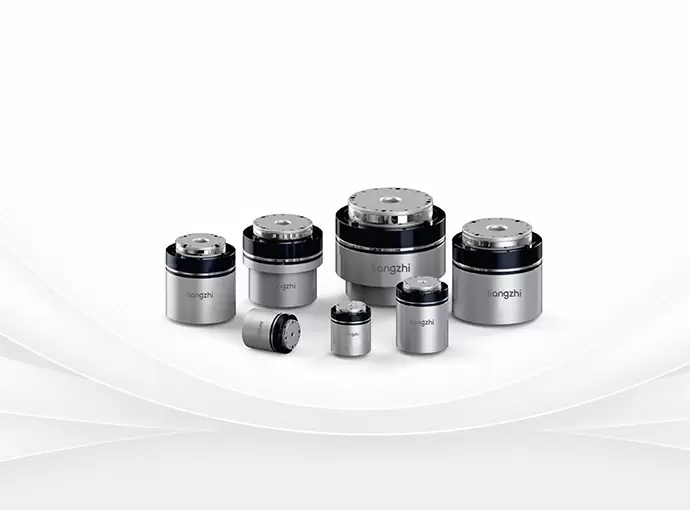
In the rapidly evolving field of robotics and intelligent automation, the robotic harmonic joint module has emerged as a critical enabling technology. From collaborative robots (cobots) to humanoid systems and industrial manipulators, this highly integrated motion unit serves as the “muscle and joint” of modern robotic systems. As industries demand higher precision, compactness, and efficiency, the robotic harmonic joint module is redefining how robots are designed, manufactured, and deployed.
Liangzhi Joint, as a professional supplier of advanced robotic solutions, provides high-performance robotic harmonic joint modules engineered for precision, durability, and seamless integration. This article explores the structure, working principle, advantages, applications, and future development trends of robotic harmonic joint modules.
What Is a Robotic Harmonic Joint Module?
A robotic harmonic joint module is an integrated mechatronic system that combines multiple key components—including a harmonic reducer, servo motor, encoder, and control electronics—into a compact unit designed to drive robotic joints.
Unlike traditional mechanical assemblies, the robotic harmonic joint module integrates all core elements into a single unit, simplifying installation and improving performance. According to industry data, these modules typically include a harmonic drive, frameless motor, dual encoders, and braking systems, delivering high torque and precise positioning in a compact form factor.
At its core, the robotic harmonic joint module converts electrical energy into controlled rotational motion, enabling robots to perform highly accurate and repeatable movements. This makes it indispensable in applications requiring fine motion control and high responsiveness.
Core Components of a Robotic Harmonic Joint Module
A high-quality robotic harmonic joint module is composed of several tightly integrated subsystems. Each component plays a vital role in ensuring performance, reliability, and precision.
1. Harmonic Reducer (Strain Wave Gear)
The harmonic reducer is the defining feature of a robotic harmonic joint module. It consists of three main elements: a wave generator, a flex spline, and a circular spline. Through elastic deformation, it achieves high gear reduction ratios (typically 1:30 to 1:160) with near-zero backlash.
This unique mechanism enables:
Extremely high positioning accuracy
High torque output in a compact size
Smooth and vibration-free motion
2. Servo Motor
The servo motor in a robotic harmonic joint module provides the driving force. Frameless torque motors are commonly used due to their high power density and compact design. These motors ensure smooth torque output and rapid dynamic response.
3. Encoder System
Encoders—often dual absolute encoders—are essential for precise feedback. High-resolution encoders (e.g., 17-bit or 19-bit) enable accurate position tracking and closed-loop control, ensuring the robotic harmonic joint module achieves repeatability within arc-second levels.
4. Drive Electronics
Integrated servo drives control motor behavior, process feedback signals, and communicate with the robot’s central controller. Modern robotic harmonic joint modules support industrial communication protocols such as EtherCAT and CANopen, ensuring compatibility with advanced automation systems.
5. Braking System and Sensors
Many robotic harmonic joint modules include electromagnetic brakes and temperature or torque sensors. These features enhance safety, enable real-time monitoring, and ensure reliable operation even in demanding environments.
Working Principle of a Robotic Harmonic Joint Module
The operation of a robotic harmonic joint module is based on the harmonic drive mechanism. When the servo motor rotates, it drives the wave generator, which deforms the flex spline. This deformation causes the flex spline teeth to engage with the circular spline, producing motion with a high reduction ratio.
This process results in:
Low-speed, high-torque output
Minimal backlash
Exceptional positioning accuracy
Because of this mechanism, the robotic harmonic joint module achieves precision levels that are difficult to match with conventional gear systems. It is particularly suitable for applications requiring fine control, such as robotic arms, surgical robots, and inspection systems.
Key Advantages of Robotic Harmonic Joint Modules
The widespread adoption of the robotic harmonic joint module is driven by its numerous technical advantages.
1. High Precision and Zero Backlash
One of the most significant benefits of a robotic harmonic joint module is its near-zero backlash. This ensures precise positioning and repeatability, which are essential for tasks like assembly, welding, and medical procedures.
2. Compact and Lightweight Design
By integrating multiple components into a single unit, the robotic harmonic joint module reduces size and weight. Some modules weigh less than 1 kg while delivering high torque output, making them ideal for lightweight robotic systems.
3. High Torque Density
Despite their compact size, robotic harmonic joint modules provide high torque output. This allows robots to handle heavy loads without increasing system size.
4. Simplified Integration
The all-in-one design of a robotic harmonic joint module eliminates the need for complex assembly and alignment. This significantly reduces development time and costs for robot manufacturers.
5. Smooth and Quiet Operation
The harmonic drive mechanism ensures smooth motion with minimal vibration and noise. This is especially important in collaborative and service robots operating near humans.
6. High Reliability and Durability
With fewer mechanical interfaces and optimized design, robotic harmonic joint modules offer long service life and reduced maintenance requirements.
Applications of Robotic Harmonic Joint Modules
The robotic harmonic joint module is widely used across various industries due to its versatility and performance.
1. Industrial Robotics
In industrial automation, robotic harmonic joint modules are used in robotic arms for tasks such as welding, assembly, and material handling. Their precision and repeatability improve production efficiency and product quality.
2. Collaborative Robots (Cobots)
Cobots require safe, precise, and responsive motion control. The robotic harmonic joint module provides smooth operation and accurate force control, making it ideal for human-robot collaboration.
3. Humanoid Robots
Humanoid robots rely heavily on robotic harmonic joint modules for joint actuation. These modules enable natural, human-like movement and high flexibility.
4. Medical Robotics
In surgical and rehabilitation robots, precision is critical. Robotic harmonic joint modules ensure accurate and stable motion, enhancing safety and effectiveness.
5. Service and Commercial Robots
From delivery robots to cleaning robots, the robotic harmonic joint module enables compact design and reliable operation in dynamic environments.
6. Aerospace and Defense
High-performance robotic systems used in aerospace and defense applications benefit from the reliability and precision of robotic harmonic joint modules.
Why Choose Liangzhi Joint for Robotic Harmonic Joint Modules?
Liangzhi Joint specializes in providing advanced robotic harmonic joint modules designed to meet the needs of modern automation systems. The company focuses on innovation, quality, and customization, ensuring that each module delivers optimal performance.
Key Strengths of Liangzhi Joint:
Advanced harmonic drive technology
High-precision encoder integration
Compact and lightweight designs
Customizable solutions for various applications
Strong reliability and long service life
Liangzhi Joint’s robotic harmonic joint modules are engineered to help customers reduce development time, improve system performance, and achieve higher efficiency in robotic applications.
Design Considerations for Robotic Harmonic Joint Modules
When selecting a robotic harmonic joint module, several factors must be considered:
1. Torque Requirements
Choose a module that provides sufficient torque for the intended application. Peak and continuous torque ratings should be carefully evaluated.
2. Accuracy and Resolution
High-resolution encoders are essential for precision tasks. The robotic harmonic joint module should meet the required positioning accuracy.
3. Size and Weight
Compact and lightweight modules are preferable for applications requiring mobility or space constraints.
4. Communication Protocols
Ensure compatibility with the robot’s control system by selecting a robotic harmonic joint module that supports the required communication protocols.
5. Environmental Conditions
Consider factors such as temperature, humidity, and dust. The module should be designed to operate reliably in the intended environment.
Comparison with Other Joint Technologies
While the robotic harmonic joint module offers many advantages, it is important to compare it with alternative technologies.
Harmonic Drive vs. Planetary Gear
Harmonic drives offer higher precision and lower backlash
Planetary gears provide higher speed and load capacity
Harmonic Drive vs. Cycloidal Drive
Harmonic drives are more compact and precise
Cycloidal drives offer better shock resistance
Despite these differences, the robotic harmonic joint module remains the preferred choice for applications requiring high precision and compact design.
Future Trends in Robotic Harmonic Joint Modules
The future of the robotic harmonic joint module is closely tied to advancements in robotics and artificial intelligence.
1. Increased Integration
Future modules will integrate more sensors and intelligence, enabling smarter and more autonomous robots.
2. Higher Efficiency
Advancements in materials and design will improve energy efficiency and reduce power consumption.
3. Enhanced Safety Features
Safety will be a key focus, especially for collaborative robots. Robotic harmonic joint modules will incorporate advanced safety mechanisms.
4. Customization and Modularity
Modular designs will allow for easier customization and scalability, enabling faster deployment of robotic systems.
5. AI-Driven Control
Integration with AI algorithms will enhance motion planning, adaptability, and performance.
Conclusion
The robotic harmonic joint module is a cornerstone technology in modern robotics, enabling precise, compact, and efficient motion control. Its unique combination of high torque, zero backlash, and integrated design makes it indispensable across a wide range of applications.
As industries continue to embrace automation and intelligent systems, the demand for high-performance robotic harmonic joint modules will only grow. Liangzhi Joint stands at the forefront of this innovation, providing cutting-edge solutions that empower the next generation of robotics.
Whether you are developing industrial robots, humanoid systems, or advanced automation equipment, choosing a high-quality robotic harmonic joint module is essential for achieving superior performance and reliability.

Related news
-
 2026-08-07
China Robotic Planetary Joint Module Suppliers: Advanced Motion Solutions for Humanoid and Legged Robots
-
 2026-09-03
Robotic Precision Planetary Gearbox: Selection, Performance, Applications, and Integration Guide
-
 2026-07-30
Planetary Reducer for Robotic Precision Drive: A Practical Guide to High-Performance Motion Transmission